


OCR
OCR, or Obstacle Course Racing, basically means racing on an obstacle course or obstacle running
(though it shouldn’t be confused with the track and field steeplechase event).
So, what exactly is OCR — in a bit more detail?
The sport has military roots and is constantly evolving, modernizing, and becoming standardized. It’s primarily based on running — mostly off-road — where athletes have to successfully overcome various natural and man-made obstacles.
What’s the difference between obstacle sports and OCR?
Obstacle sports is an umbrella term: it includes OCR, Ninja sports (like Ninja Warrior), adventure racing, parkour, and even the well-known Exatlon. OCR is now an official sport, distinguished from the others mainly by its mature set of rules and competition system, as well as the fact that it includes running.
What distances are there in OCR races?
In terms of distance, everything is available from 100m to 24-hour ultra races. However, the official distances for world championships are 100m, 3km, and 15km.
The shortest distance is called “OCR 100,” where the goal is to clear ten standard, built obstacles over 100m in about 30-60 seconds. The short course is 3km with about 30 obstacles on flat terrain; the middle distance is 5-8km with 30-40 obstacles and 100-200m of elevation gain; the standard distance is 12-15km with 40-50 obstacles and significant elevation; and the ultra means 50-80km with 60-70 obstacles on extremely tough terrain. (Anything longer is called an adventure race, which includes mountain biking, rock climbing, navigation, and survival tasks in addition to running and obstacles.)
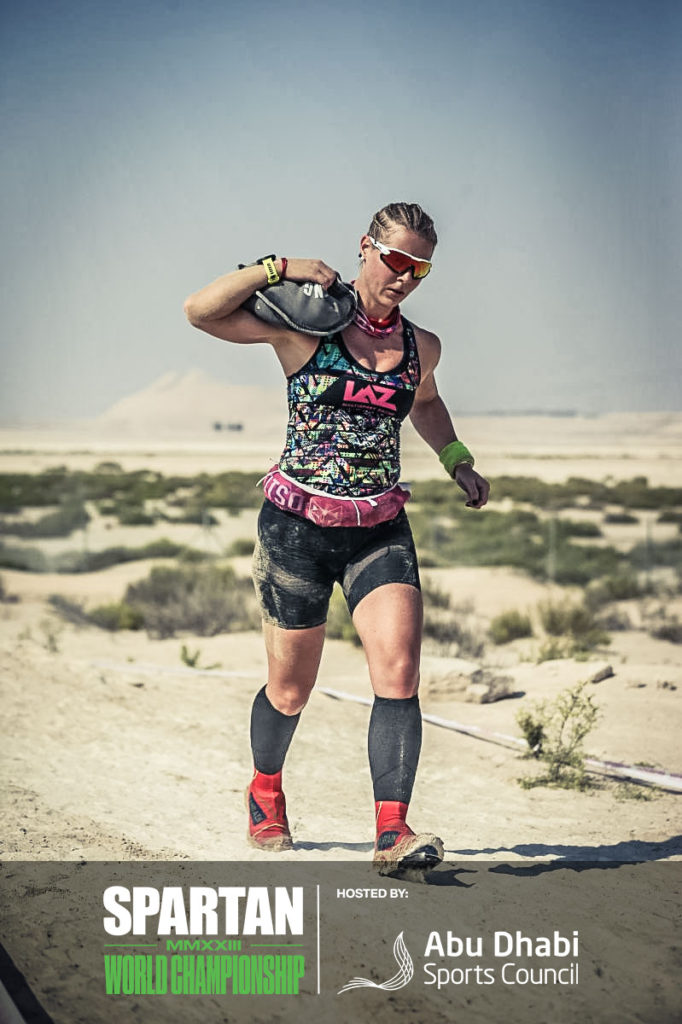
If we look specifically at Spartan Race — the most famous brand — the Sprint, Super, and Beast distances (collectively known as the Trifecta) are followed by the Spartan Ultra. You can also find Spartan Trail races (off-road running without obstacles), and even the youngest athletes can find a challenge in the Spartan Kids heats. Spartan also organizes its own world championships (Spartan Trifecta World Championship in Sparta and the Spartan World Championship in Abu Dhabi).
What kind of obstacles are in an OCR race?
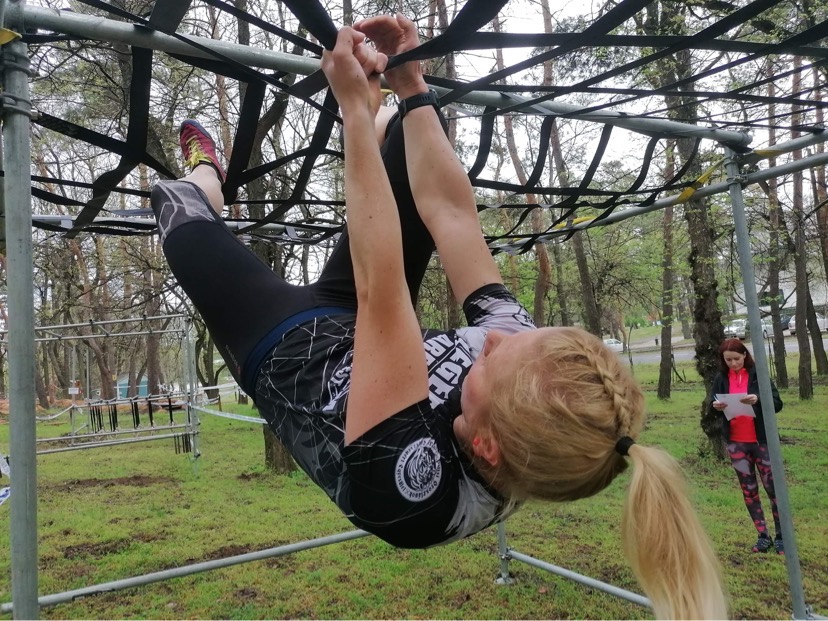
The obstacles to overcome at any distance can be natural or man-made. Natural obstacles include fallen trees, crossing or swimming through creeks, gullies, lakes, or rivers, crawling in ravines, and climbing trees. Man-made obstacles can involve hanging, crawling, climbing, carrying, or balancing tasks, as well as walls and hurdles of various heights. Additionally, “skill” obstacles like target throwing, spear throwing, laser shooting, or (rubber) grenade tossing may also appear.
The mix of obstacles varies by race. In official competitions, athletes start with 3 wristbands (3 lives). According to current (2024) rules, you get one attempt per obstacle; if you fail, you lose a wristband. A result is only valid if the athlete finishes with at least one wristband (meaning a maximum of two mistakes). In other races (like Spartan Race), if an athlete can’t complete an obstacle, they must run a penalty loop or perform other penalty tasks (burpees, squats, etc.).
Since when has it been an official sport?
OCR (Obstacle Course Racing) is a fairly new sport: it became an official sport worldwide in 2022 (though unofficial national, European, and world championships have been held since 2014).
The Hungarian national federation (HOCRA – Magyarországi OCR Sport Szövetség) was founded in 2017. Since then, it has managed and supervised the national championships, supported athletes in the Basic, Age Group, and Elite categories, and represented the sport to promote its growth and support.
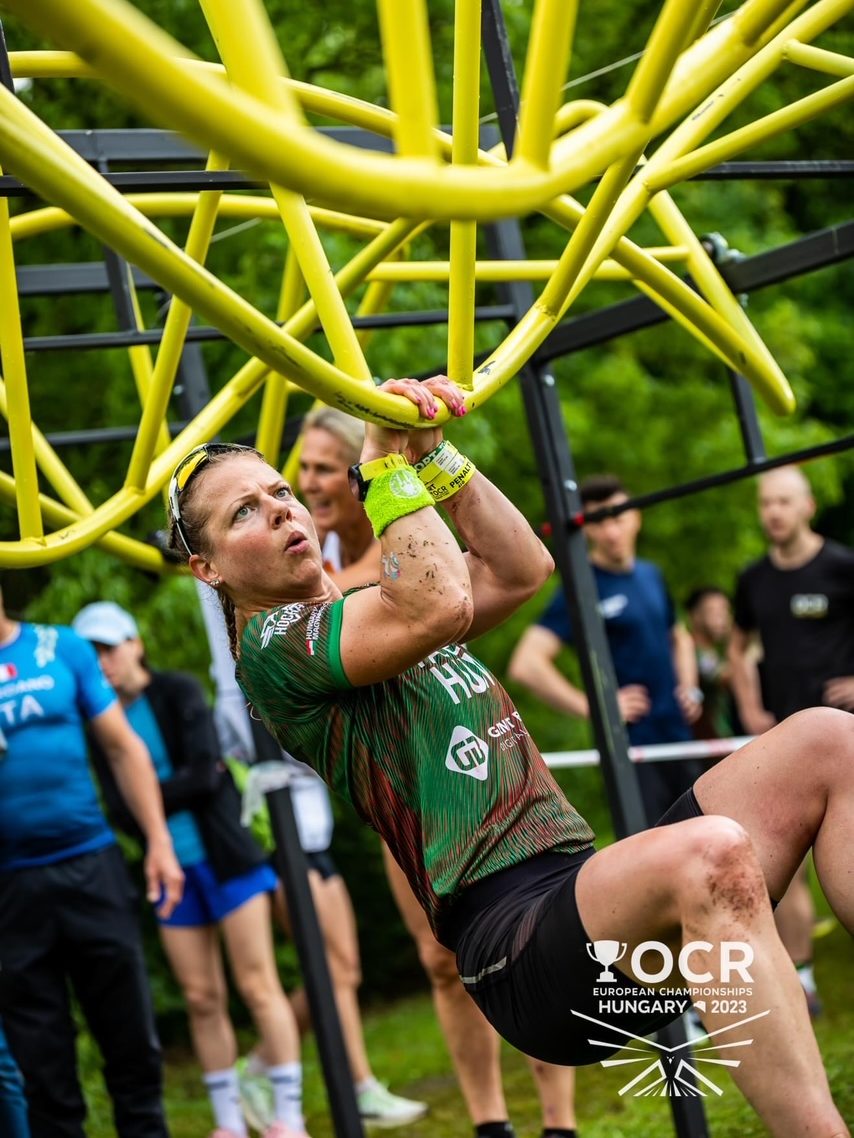
In the summer of 2023, HOCRA (Hungarian OCR Sport Federation) organized the OCR European Championships in Tata with the help of the Ministry of Defense and under the supervision of the world governing body, World Obstacle, which proved to be an extremely successful event.
How long does it take to learn the obstacles, and what sports background is an advantage if I’m just starting OCR?
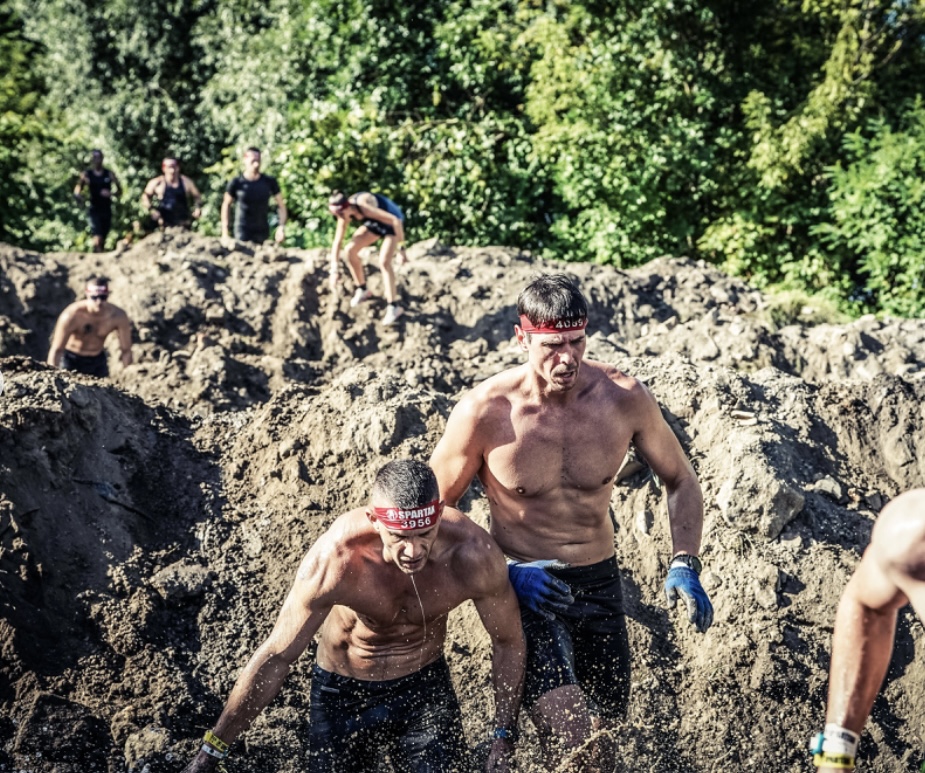
Athletics, gymnastics, rock climbing, kayaking/canoeing, judo, or even CrossFit (functional fitness) all provide an excellent foundation. While a strong upper body (including grip strength and pulling power) will help a lot on the obstacles, an endurance background (track, cycling, swimming, triathlon, rowing, etc.) will help with the running. With a strong foundation, you can master simple obstacles in a few sessions and medium ones in a few weeks. If you’re a total beginner without the sports background mentioned above, you can still see significant progress in just a few months.


What Hungarian races are there, and where is it worth entering?
To mention just the most well-known ones: Spartan Race (which is international but present in Hungary), the two oldest Hungarian races Fighters’ Run and Running Warriors, plus Extreme Trail, Vulcan Run, Military Survivor Run, Mad Man, Weekend Warriors, Extreme Rush, Hun Harcos, and Brutál Atom.
What are the best and most famous races abroad?
Besides the already mentioned Spartan Race (and its sister brands Tough Mudder/Toughest), if you like to travel, Inferno Run, Xeltic Warrior, Hang On, Strong Viking, Barbarian Race, Runmageddon, Gladiator Race, Biegun, Survivor Race, Bestial Race, Bison Race, Hannibal Race, Legion Race, Predator Race, and many others offer excellent tests of strength for OCR lovers.
You can qualify for the OCR European Championships or even the OCR World Championships through many of these domestic and international races.
What’s the deal with the modern pentathlon?
Starting in 2023, obstacle racing replaced horse riding in the program for youth athletes (the 2024 Olympics will still feature horse riding). Pentathletes compete for valuable seconds on a standard 70-meter course designed specifically for them. The cooperation between the two Hungarian federations has been ongoing since 2023. Our OCR coach, Zsófia Páder, has been helping prepare young athletes for youth European and World Championships, as well as the Olympic Hopes 2023 competition.
